
The Water Cycle: Understanding Evaporation, Condensation, and Precipitation
The water cycle, or hydrological cycle, is the continuous movement of water on, above, and below the Earth’s surface. The main processes involved are evaporation, condensation, and precipitation. Let’s explore these processes to understand how water is recycled in nature.

Evaporation
Evaporation is when water changes from a liquid to a gas or vapor. This happens when the sun heats up water in rivers, lakes, or oceans. The heat gives the water molecules enough energy to escape from the surface and rise into the air as water vapor. Plants also contribute through a process called transpiration, where they release water vapor into the air. Together, these processes are known as evapotranspiration.
Condensation
As water vapor rises and cools in the atmosphere, it changes back into liquid droplets through condensation. These droplets gather to form clouds. When you see clouds, you’re looking at countless tiny droplets of condensed water vapor.
Precipitation
When the droplets in clouds grow large enough, they become too heavy to stay suspended and fall to Earth as precipitation. This can be in the form of rain, snow, sleet, or hail, depending on the temperature of the atmosphere. Precipitation replenishes our lakes, rivers, and groundwater, making it crucial for life on Earth.
Importance of the Water Cycle
The water cycle is essential for distributing fresh water across the planet, supporting plant growth, and providing food and oxygen for animals and humans. It also helps regulate Earth’s temperature by distributing heat.
Fun Facts about the Water Cycle
Endless Cycle: The water on Earth today is the same water that existed millions of years ago.
Transpiration: A single large tree can release hundreds of gallons of water into the air each day.
Clouds: Cumulus clouds, which are white and fluffy, form due to condensation.
Activity: Make a Mini Water Cycle
You can create a mini water cycle at home with a few simple materials:
1. Materials: Clear plastic container, water, small cup, plastic wrap, rubber band.
2. Steps:
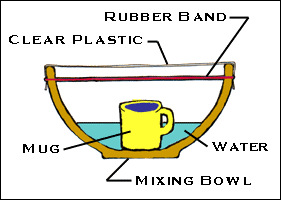
1. Pour water into the container until it is about 1/4 full.
2. Place the small empty cup in the centre.
3. Cover the container with plastic wrap and secure it with a rubber band.
4. Place the container in a sunny spot and observe.
You’ll see water evaporate, condense on the plastic wrap, and eventually drip into the cup as precipitation, demonstrating all three stages of the water cycle.
Conclusion
The water cycle is a vital natural process that supports all life on Earth. By understanding evaporation, condensation, and precipitation, we can better appreciate how water moves through our environment. This cycle sustains ecosystems and helps regulate the planet’s climate. Understanding the water cycle highlights the importance of conserving water and protecting our natural resources.
Start Your Chemistry Tuition Journey With Achievers Dream
At Achievers dream, we offer specialised Primary Science Tuition, O Level Chemistry Tuition, Lower Secondary Science Tuition and JC Chemistry tuition. Our team consists of ex-MOE HOD’s, NIE teachers and full-time tutors.
As a top tuition centre in Singapore, students will be provided with a wide range of information from sources such as exclusive cheat sheets, sec 1 science notes, science revision guides or other supplementary/topic by topic notes.
Join Our Exclusive Telegram Group Here
Click Here for Free Access to our coloured Chemistry notes
We provide fully customised lessons in conjunction with up-to-date facilities such as our chemistry laboratory and a student portal. Our team will be there for you to support your learning journey, start now and achieve better results