
Magnets and Magnetism: Investigating Magnetic Properties and Their Uses
Have you ever played with a magnet and wondered how it works? Magnets are fascinating objects that can attract certain metals and have many uses in our everyday lives. Let’s explore the world of magnets and magnetism!
What Are Magnets?
Magnets are objects that can attract materials like iron, nickel, and cobalt. Each magnet has two ends called poles: a north pole and a south pole. The rule of magnetism is simple: opposite poles attract each other (north to south), and like poles repel each other (north to north or south to south).
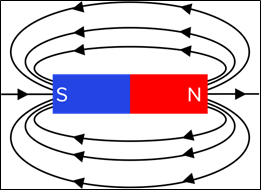
Diagram 1: A bar magnet showing thenorth and south poles with Magnetic Fields.
Magnetic Fields
A magnetic field is the area around a magnet where magnetic forces can be felt. You can see the effects of a magnetic field by placing iron filings around a magnet; the filings will arrange themselves along the invisible lines of force extending from the north pole to the south pole.
Types of Magnets
There are two main types of magnets:
Permanent Magnets: These magnets keep their magnetic properties for a long time. Examples include bar magnets and refrigerator magnets.
Temporary Magnets: These magnets act like permanent magnets when they are in a strong magnetic field but lose their magnetism when the field disappears. An example is a paperclip that becomes magnetized when it touches a magnet.
Uses of Magnets
Magnets have many important uses in our daily lives:
Compass: A compass has a small magnet that aligns with Earth’s magnetic field, helping people find directions.
Electric Motors: Magnets are used in motors to convert electrical energy into mechanical energy, powering devices like fans and washing machines.
Magnetic Levitation: Magnets are used in maglev trains to lift the train above the tracks, reducing friction and allowing high speeds.
Medical Devices: Magnetic resonance imaging (MRI) machines use magnets to create detailed images of the inside of the human body.
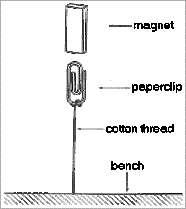
You can do simple experiments to see magnetism in action:
Attracting Objects: Use a magnet to see which objects around you are attracted to it. Try paperclips, coins, and keys.
Magnetic Chain: See how many paperclips you can link together using a magnet. The magnetic force will pass through the paperclips, forming a chain.
Safety Tips
While magnets are fun to play with, it’s important to use them safely:
Keep Away from Electronics: Magnets can damage electronic devices like phones and computers.
Avoid Small Magnets: Small magnets can be dangerous if swallowed, so keep them away from young children.
Fun Fact
Did you know that Earth itself is a giant magnet? Its core is made of iron and nickel, creating a magnetic field that protects us from harmful solar radiation!
Exploring magnets and magnetism helps us understand many important technologies and natural phenomena. Keep experimenting and discovering the wonders of magnetism.
Start Your Chemistry Tuition Journey With Achievers Dream
At Achievers dream, we offer specialised Primary Science Tuition, O Level Chemistry Tuition, Lower Secondary Science Tuition and JC Chemistry tuition. Our team consists of ex-MOE HOD’s, NIE teachers and full-time tutors.
As a top tuition centre in Singapore, students will be provided with a wide range of information from sources such as exclusive cheat sheets, sec 1 science notes, science revision guides or other supplementary/topic by topic notes.
Join Our Exclusive Telegram Group Here
Click Here for Free Access to our coloured Chemistry notes
We provide fully customised lessons in conjunction with up-to-date facilities such as our chemistry laboratory and a student portal. Our team will be there for you to support your learning journey, start now and achieve better results